Let's make nuclear flexible.
Nuclear is cheapest running flat out, but the grid can't take it around the clock, so excess energy is wasted. RotiFe lets reactors run at full power while making their electric output flexible, storing excess energy for later.
The grid stopped standing still.
For decades the grid wanted a steady baseload, and nuclear was built to give exactly that. That world is fading. While AI and data centers continue to push demand higher, wind and solar swing supply by the minute. We need large-scale controllable output to fill the gaps renewables leave, this is the new job of nuclear.
A grid pulling both ways.
Two forces pull at it at once. Wind and solar swing supply by the minute, while AI and data centres push demand higher and expect it always on. The gap between a firm demand and a variable supply widens every year, and only flexible, dispatchable generation can close it.
The shaded windows are oversupply: renewables already cover demand. In between, they fall short. A grid like this needs generation that can pull back, then surge again on cue.
Today, flexing Nuclear is extremely costly
France's reactors have been supplying strong baseload power for many decades, but in 2025 the fleet had to turn its output down by 33 TWh, twice what it did in 2019. The newest reactors can, if they must, bend to the grid.
The trouble is how. To flex, a reactor throttles itself: operators drive the control rods in and raise the boron dissolved in the coolant, damping the reaction down, or shut it off altogether. That loses money and strains the plant at the same time, and both bills climb as renewables grow.
It loses money
A reactor's costs are almost all fixed, so turning it down saves next to nothing. You keep paying for the plant and simply sell fewer megawatt-hours, often into a market that cheap renewables have pushed below your cost to run. The economics make most sense when running the reactor flat out.
Sell the cheap hours at a loss.
Back off and the fixed costs stay.
Bank the cheap hours, sell at the peak.
Run flat out and the volatile market's cheap (or even negative) hours sell at a loss. Throttle back and the fixed costs stay, so it barely helps. Store that energy instead and sell it at the peak: the loss becomes a gain next time renewable supply drops. And with nuclear no longer flooding the same cheap hours, renewables face less competition and earn more too.
It strains the plant
A reactor is not built to chase the market. Every swing up and down is a thermal and mechanical cycle its components have to absorb, and that fatigue adds up. Fleets able to do it flex far more than they were used to, and their maintenance bills have climbed right along with it.
Few can do it at all
Nuclear power stations find it challenging to deeply modulate output. Reaching the low power the grid asks for is a slow struggle, and coming back up can lag the evening peak, just when the grid needs it most. So it is no surprise routine load-following is largely a French speciality; most of the world's reactors run flat out, because manoeuvring like that was never in their design, or their licence. For most of the fleet, flexing isn't just costly. It isn't even on the table.
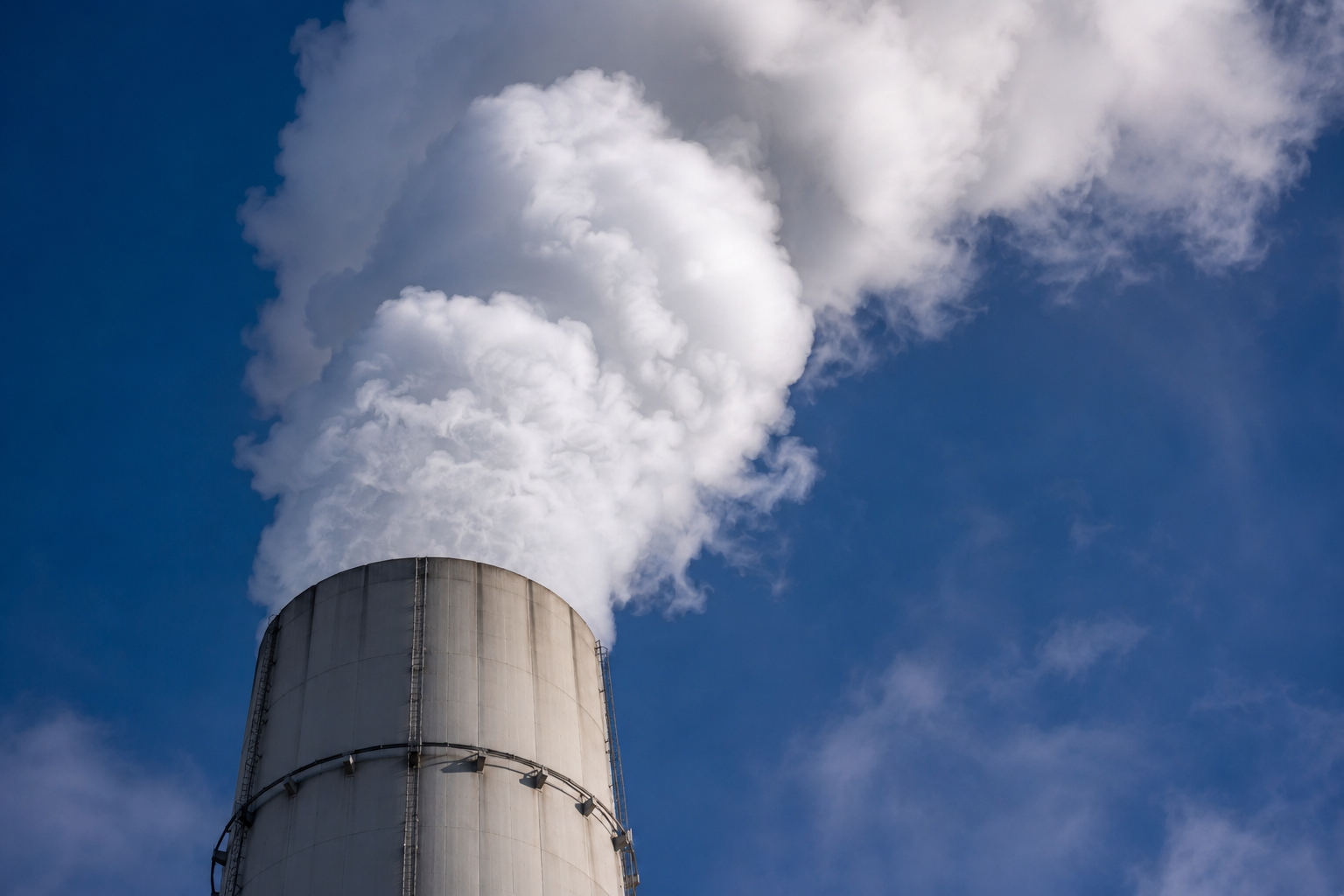
Happiest running flat out.
A reactor wants full power around the clock. The trouble is a grid that no longer always wants the output.
Flex the output, not the reactor.
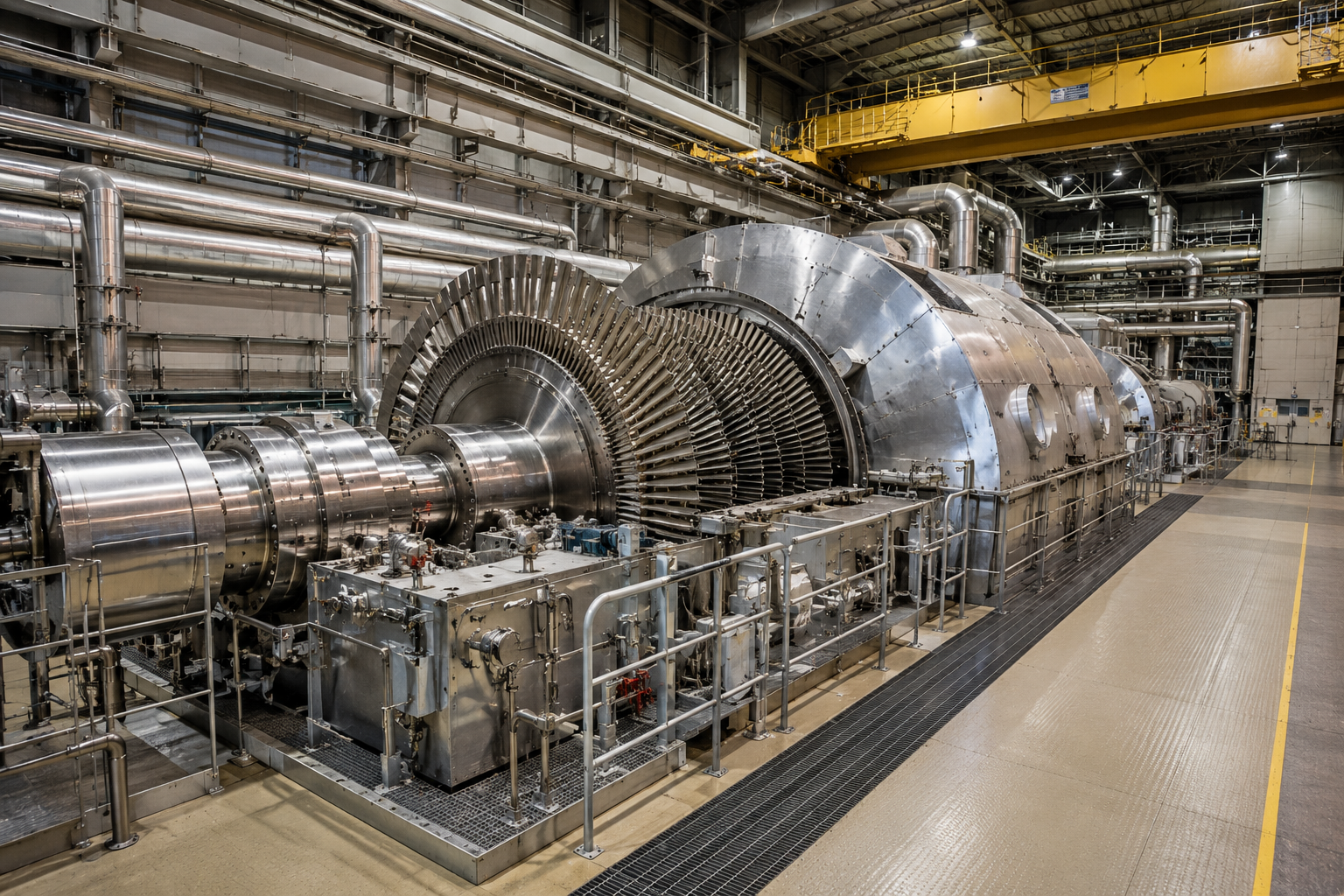
RotiFe captures thermal energy at the plant before it becomes electricity and banks it in large-scale storage. When the grid wants power, that energy runs back through the turbines and pushes electrical output well past the reactor's rated capacity. When the grid does not, it charges the store instead.
The reactor keeps running flat out, right where it is cheapest and least stressed. The non-nuclear components and operational philosophy are designed to handle the flexing, so the two costs of flexing today both go away.
Rather than sell into saturated markets or curtail output, the plant stores its energy and sells it when demand, and price, come back.
With no load-following on the reactor, the cycling behind today's maintenance bill never happens.
It is modular, and retrofits onto an existing station as readily as it fits a new one. The 'how' is the subject of a filed patent.
Illustrative figures modelled on a modern small modular reactor. Actual range depends on plant and configuration.
Firm, flexible, low-carbon power, without the trade-off.
Renewables win too
Today nuclear and renewables flood the same sunny, windy hours and drag each other's prices down. Pull nuclear out of that competition and renewables earn more for every megawatt-hour, with less curtailment, while firm power still covers the lulls. No giant battery farm required.
Round-the-clock power for AI
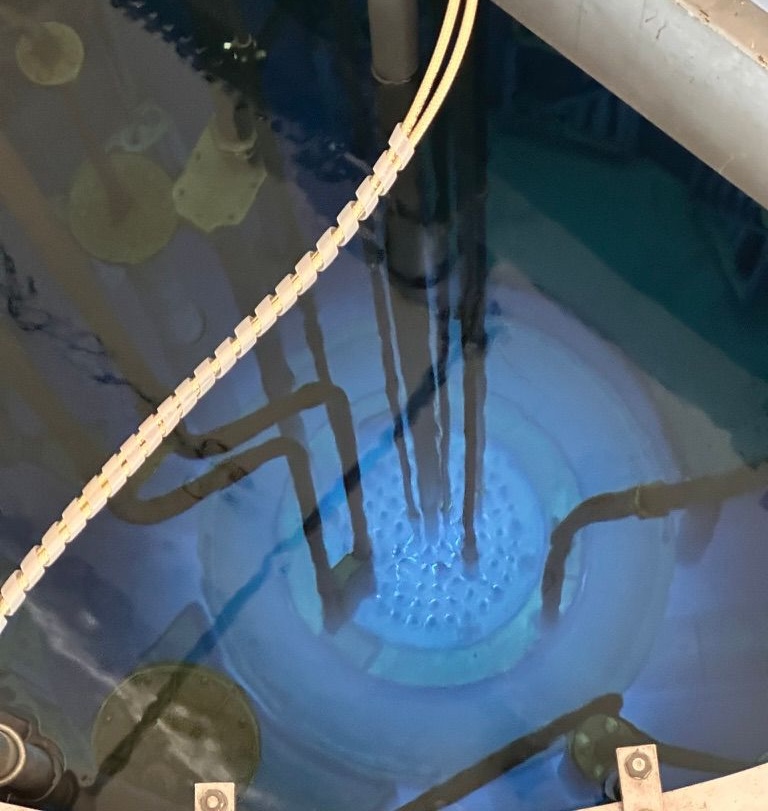
Storage lets a nuclear power station turn intermittent energy sources into a dependable baseload supply.
Better economics
Run the reactor flat out, where its economics are strongest, and sell its energy when the market actually wants it rather than giving it away in the troughs.
Carbon-free resilience
Stored energy is there to draw on during still, dark spells when renewables fall short, reducing the need for standby fossil-fuel plants currently used at datacenters locations and other activities where stable supply is critical.
From a Cambridge lab to the grid.
RotiFe's technology grew out of research at the University of Cambridge. The underlying invention is protected by a patent application, which RotiFe Energy Limited is taking forward.
℗Patent applicationGB2613819.8↗The company
- Legal name
- RotiFe Energy Limited
- Company number
- 17265307
- Registered office
- 3 Mawson Road, Cambridge, England, CB1 2DZ

Store the energy nuclear can't afford to waste.
Whether you operate a station, invest in energy, or research the field, we'd like to talk.
Get in touch→or email us at hello@rotife.energy